Hair transplant procedures offer a modern and effective solution for individuals experiencing hair loss. As with any surgical intervention, certain risks exist after the procedure—one of them being infection. Although rare, post-transplant infection can occur, but with proper knowledge and early intervention, it can be managed easily. In this article, we examine in detail the causes, symptoms, and solutions for hair transplant infections.
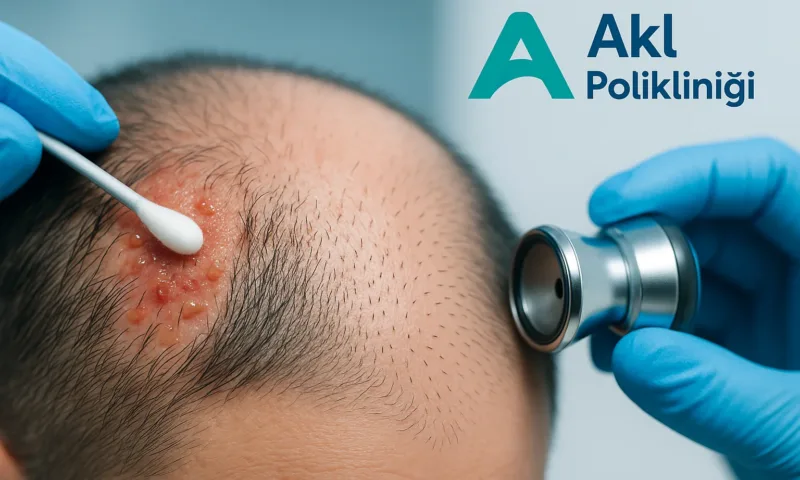
Why Do Hair Transplant Infections Occur?
Even when performed in a sterile environment and by expert teams, the risk of infection cannot be completely eliminated. The main factors contributing to infection include:
Poor Hygiene Practices
Insufficient hygiene during or after the procedure increases infection risk. Both the clinical environment and the patient’s personal hygiene play a major role.
Non-Sterile Environment or Equipment
Failure of the clinic to comply with sterilization standards or the use of improperly sterilized instruments is one of the most significant risk factors.
Incorrect Post-Op Care
Not following post-operative instructions, improper cleaning, or using the wrong products may lead to infection. The first wash and aftercare stages are especially critical.
Patient’s Health Condition
Underlying conditions such as diabetes or a weakened immune system increase susceptibility to infection. Smoking and alcohol use can also negatively affect healing.
Excessive Sweating or Moisture
Moisture creates a breeding ground for bacteria. Excessive sweating during the early days significantly raises infection risk.
Touching Open Wounds
Touching transplanted areas with dirty hands, scratching, or irritating the scalp facilitates bacterial contamination.
Symptoms of Hair Transplant Infection
Recognizing infection early is essential to prevent complications. Common symptoms include:
• Persistent or increasing pain
• Excessive redness or swelling
• Fever, chills, or general signs of infection
• Noticeable warmth in the affected area
• Foul-smelling, yellow or green discharge
• Open wounds or ulcers forming at the transplant sites
Treatment and Solutions for Hair Transplant Infection
Antibiotic Treatment
Your doctor will prescribe an appropriate antibiotic according to the type and severity of the infection. Most cases respond well to oral antibiotics.
Local Care and Dressing
Regular cleaning of the infected area with antiseptic solutions and proper dressing can help stop the spread and support healing.
Removal of Infected Grafts (If Necessary)
In rare severe cases, removing a few infected grafts may be required to prevent further infection.
Symptomatic Treatment
Pain relievers and antipyretics can be used to alleviate fever and discomfort.
Follow-Up and Monitoring
Regular medical check-ups ensure the infection has fully resolved.
How to Reduce Infection Risk?
• Choose a reputable and hygienic clinic
• Follow all post-op instructions strictly
• Maintain good personal hygiene
• Avoid excessive sweating and heavy exercise in early days
• Support immune health with proper nutrition and habits
Although the risk of infection after hair transplantation is low, recognizing symptoms and acting early is essential for proper healing and successful results. Always consult your specialist if you have any concerns.